TL;DR
At the 2026 IAB NewFronts, the old divide between digital and traditional TV appeared increasingly blurred, with the idea of “channel” dissolving into a more fluid, layered ecosystem with mobile at its center. Connected TV players including Amazon, Roku and Tubi positioned themselves as the evolution of linear television, while Sensor Tower data shows Netflix, Amazon Prime Video and HBO Max each surpassed 20 million mobile app downloads in 2025.
This post was written by Ravit Ross, Chief Revenue Officer at Start.io.
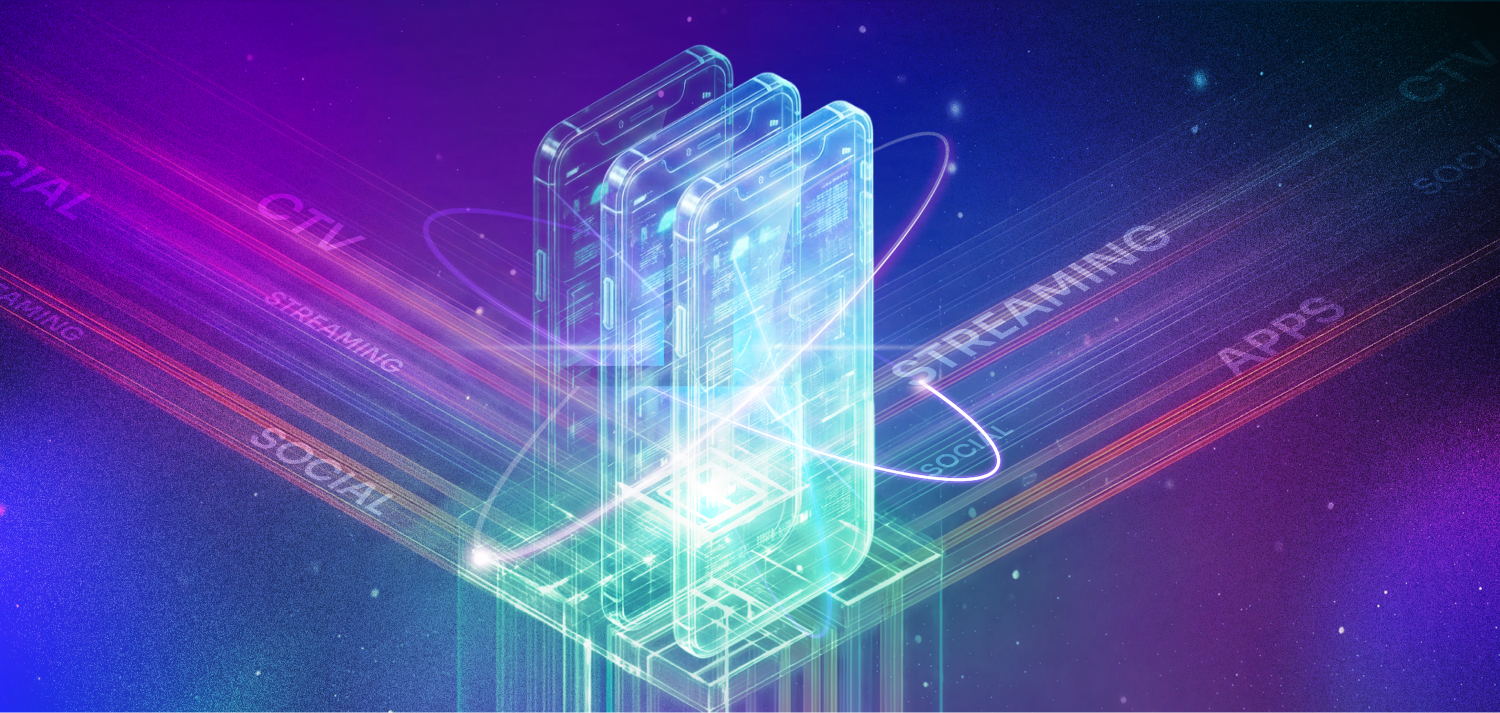
The IAB, during the 2026 NewFronts, showcased new content, new partnerships, and new ad formats. The presentations also revealed something more fundamental: The idea of “channel” is dissolving. What once looked like a clean divide between digital and traditional TV has now blurred into a layered, fluid ecosystem. And at the center of that ecosystem, quietly but unmistakably, is mobile.
Across the week, the contrast was striking. On one side were the connected TV (CTV) heavyweights (Amazon, Roku, Tubi, to name a few) positioning themselves as the natural evolution of linear television: premium, high-reach, big-screen storytelling environments. On the other were the digital-native platforms (TikTok, Meta, Snap, and others) emphasizing constant engagement, creator-driven content, and massive, always-on audiences.
But this framing misses a deeper shift. It’s not that the future of media is about CTV versus mobile. It’s about how all roads increasingly lead to or through mobile.
The Screen Is No Longer the Signal
At a glance, it might seem like big-screen viewing is having a moment. CTV investment continues to rise, with projections showing significant growth in ad spend as brands shift budgets from linear TV.
That momentum is real. But it’s also incomplete.
Even the platforms that built their reputations on the living room screen are now deeply embedded in mobile ecosystems. According to Sensor Tower data, streaming platforms like Netflix, Amazon Prime Video, and HBO Max each surpassed 20 million mobile app downloads in 2025.
In other words, streaming TV is no longer confined to the couch. It’s happening on commutes, in waiting rooms, between meetings, and in the quiet in-between moments of the day. The “TV experience” has escaped the television.
Meanwhile, mobile-first platforms like TikTok, Snap, and Instagram are redefining what viewing even means. Short-form video, creator content, and interactive formats are compressing and expanding engagement at the same time. A user might watch dozens of pieces of content in minutes or spend hours immersed in a continuous feed. The result is a world where the distinction between “watching TV” and “using your phone” is becoming increasingly irrelevant.
Why Mobile Leads the Omnichannel Reality
From our perspective, the increasingly diverse mix of companies showing up at the NewFronts underscores an important reality: Mobile is not just a channel. It is the connective tissue of the entire media ecosystem.
Mobile is the only environment that travels with the user across contexts. It captures real-time signals about behavior, location, and intent. It bridges moments, from discovery to consideration to action, in ways that no other environment can replicate.
A streaming session on a smart TV might begin on a mobile app. A purchase influenced by a CTV ad might ultimately happen on a phone. An augmented reality experience, like those showcased at the NewFronts, lives almost entirely within mobile environments, turning advertising from something you watch into something you experience.
The takeaway from this year’s NewFronts isn’t that one format will win. In fact, the idea of winners and losers is becoming less useful altogether. What matters is how seamlessly brands can move across environments and how well they understand audiences not as viewers of a specific screen, but as people navigating a continuous stream of content throughout their day.
In that continuous stream, mobile is the constant. Driven by real-time signals and delivered across every screen, mobile-first data provides the foundation for true omnichannel engagement.
The lines may be blurring. But the direction is becoming clearer.